Monday, February 8, 2016

Force vectors

Problem:


Solution:

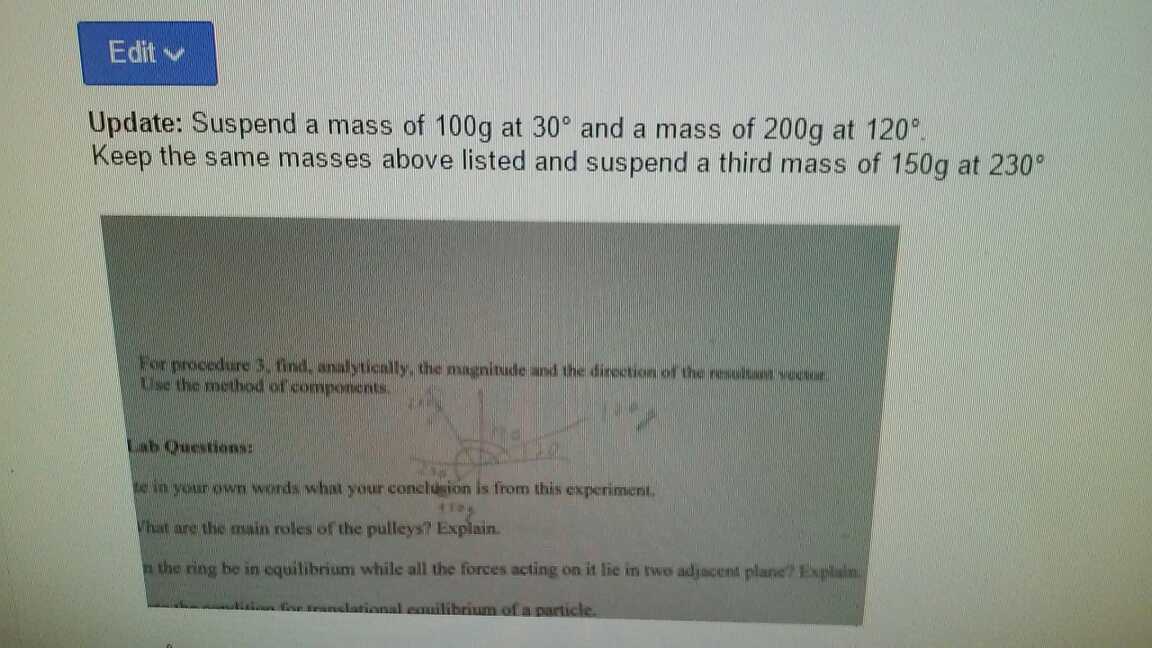
We will work on the decomposition of the force vector here.


For 30 degree point, gravity pull the point down at 10 * 0.1 = 1N downwards. The string is under tension so it has 0.5 N going to the right and 0.866 N downwards

For 120 degree point, gravity pull the point down at 10 * 0.1 = 1N downwards, the string is not pulling it at all until it falls to a certain point

For 230 degree point, gravity pull the point down at 10 * 0.1 = 1N downwards, the string is not pulling it at all until it falls to a certain point

Monday, January 25, 2016

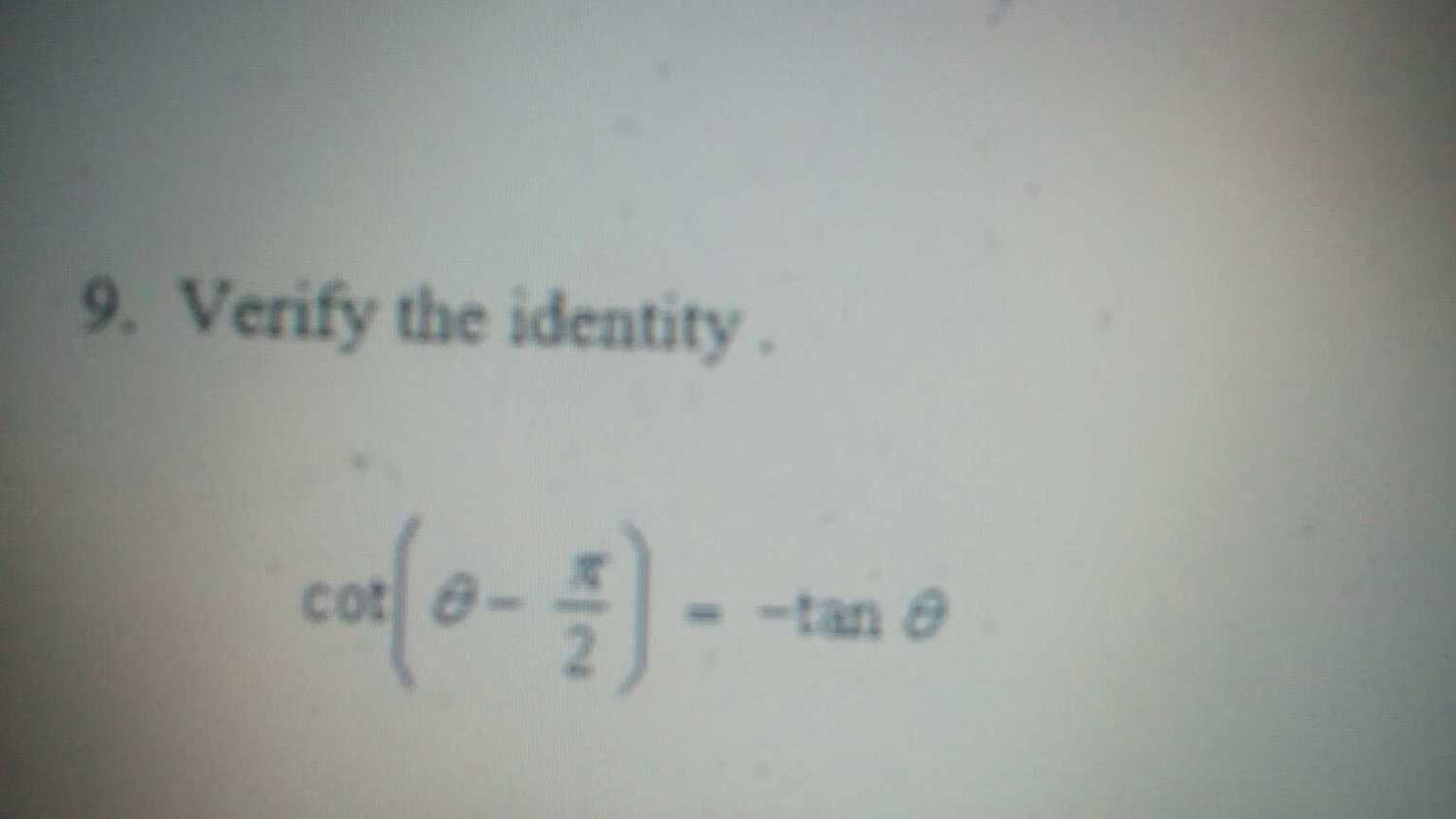
Verify the identity

Problem:


Solution:

$ \cot(\theta - \frac{\pi}{2}) $

By definition of cotangent, we have

$ = \frac{\cos(\theta - \frac{\pi}{2})}{\sin(\theta - \frac{\pi}{2})} $

By phase shift formulas, we have

$ = \frac{\sin(\theta)}{-\cos(\theta)} $

By definition of tangent, we finally get

$ = -\tan(\theta) $

Thursday, January 21, 2016

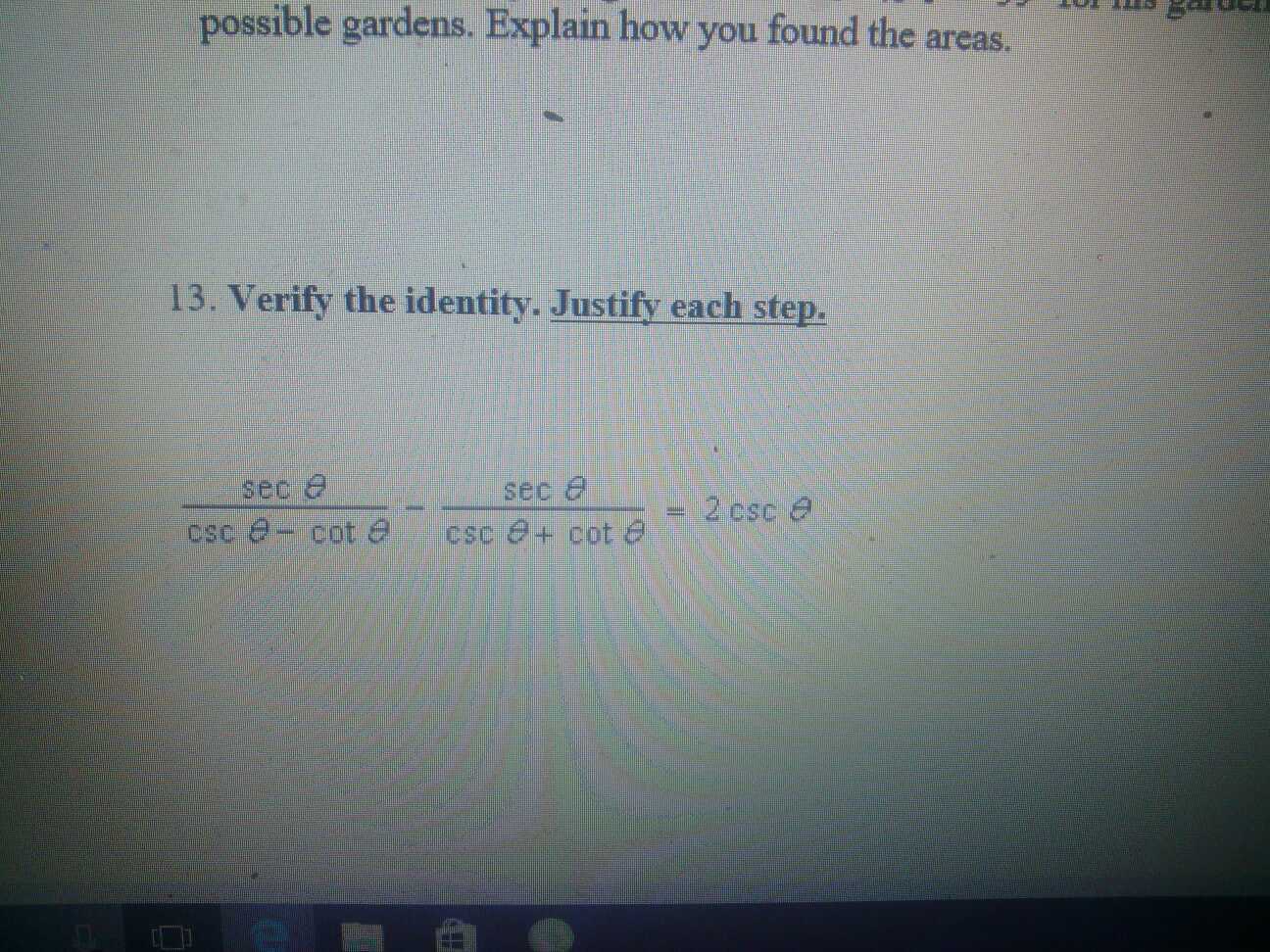
Trigonometry problem

Problem:


Solution;

$ \frac{\sec \theta}{\csc \theta - \cot \theta} - \frac{\sec \theta}{\csc \theta + \cot \theta} $

Multiply $ \sin \theta \cos \theta $ above and below:

$ \frac{\sin \theta}{\cos \theta - \cos^2 \theta} - \frac{\sin \theta}{\cos \theta + \cos^2 \theta} $

Make common denominator gives:

$ \frac{\sin \theta(\cos \theta + \cos^2 \theta)}{(\cos \theta + \cos^2 \theta)(\cos \theta - \cos^2 \theta)} - \frac{\sin \theta(\cos \theta - \cos^2 \theta)}{(\cos \theta + \cos^2 \theta)(\cos \theta - \cos^2 \theta)} $

Now do the subtraction

$ \frac{\sin \theta(\cos \theta + \cos^2 \theta)-\sin \theta(\cos \theta - \cos^2 \theta)}{(\cos \theta + \cos^2 \theta)(\cos \theta - \cos^2 \theta)} $

Simplify the numerator by just expand and subtract:

$ \frac{2\sin \theta\cos^2 \theta}{(\cos \theta + \cos^2 \theta)(\cos \theta - \cos^2 \theta)} $

Simplify the denominator:

$ \frac{2\sin \theta\cos^2 \theta}{\cos^2 \theta(1 + \cos \theta)(1 - \cos \theta)} $

Cancel the $ \cos^2 \theta $:

$ \frac{2\sin \theta}{ (1 + \cos \theta)(1 - \cos \theta)} $

Expand the denominator:

$ \frac{2\sin \theta}{1  - \cos^2 \theta} $

Just an identity

$ \frac{2\sin \theta}{\sin^2 \theta} $

There we go

$ 2 \csc \theta $
Sunday, January 10, 2016

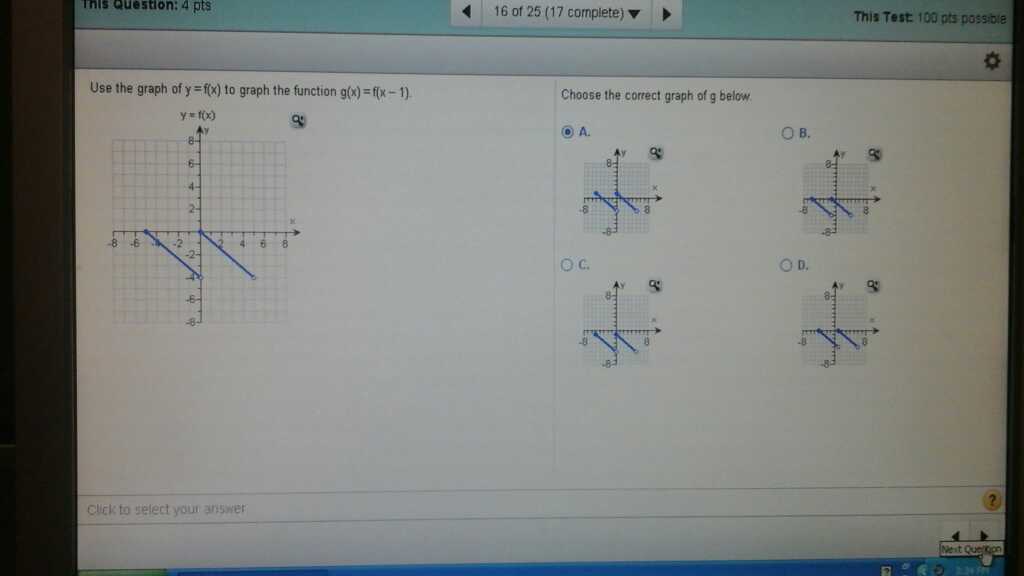
Shift

Problem:


Solution:

We simply check $ g(0) = f(-1) = -3 $.
So we pick the answer to be D.

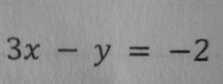
Inverse

Problem:


Solution:

Part (a)
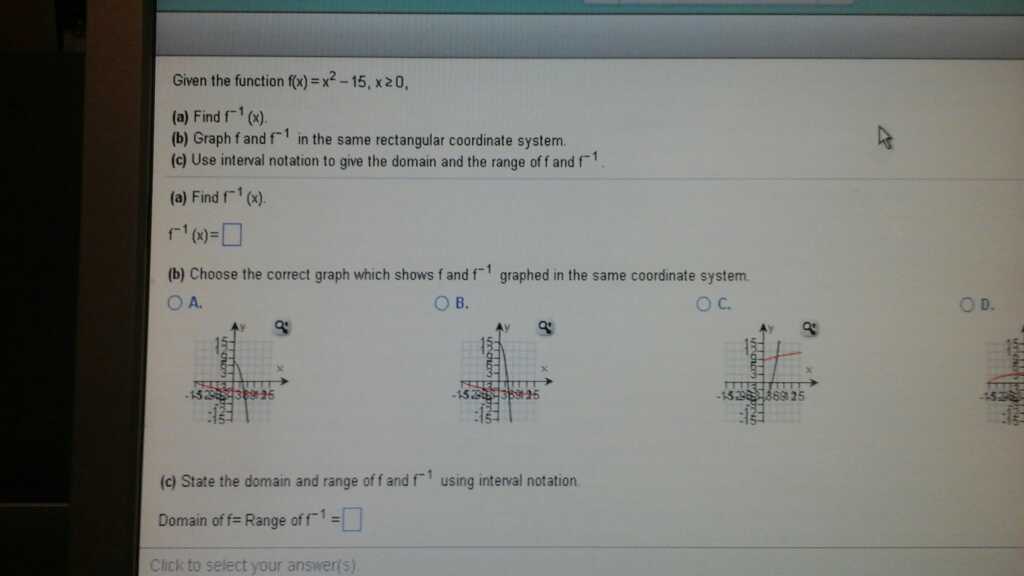
$ f^{-1}(x) = \sqrt{15 + x} $

Part (b)

Part (c)

The domain of $ f $ = Range of $ f^{-1} $ = $ [0, +\infty) $.
The range of $ f $ = domain of $ f^{-1} $ = $ [-15, +\infty) $.